
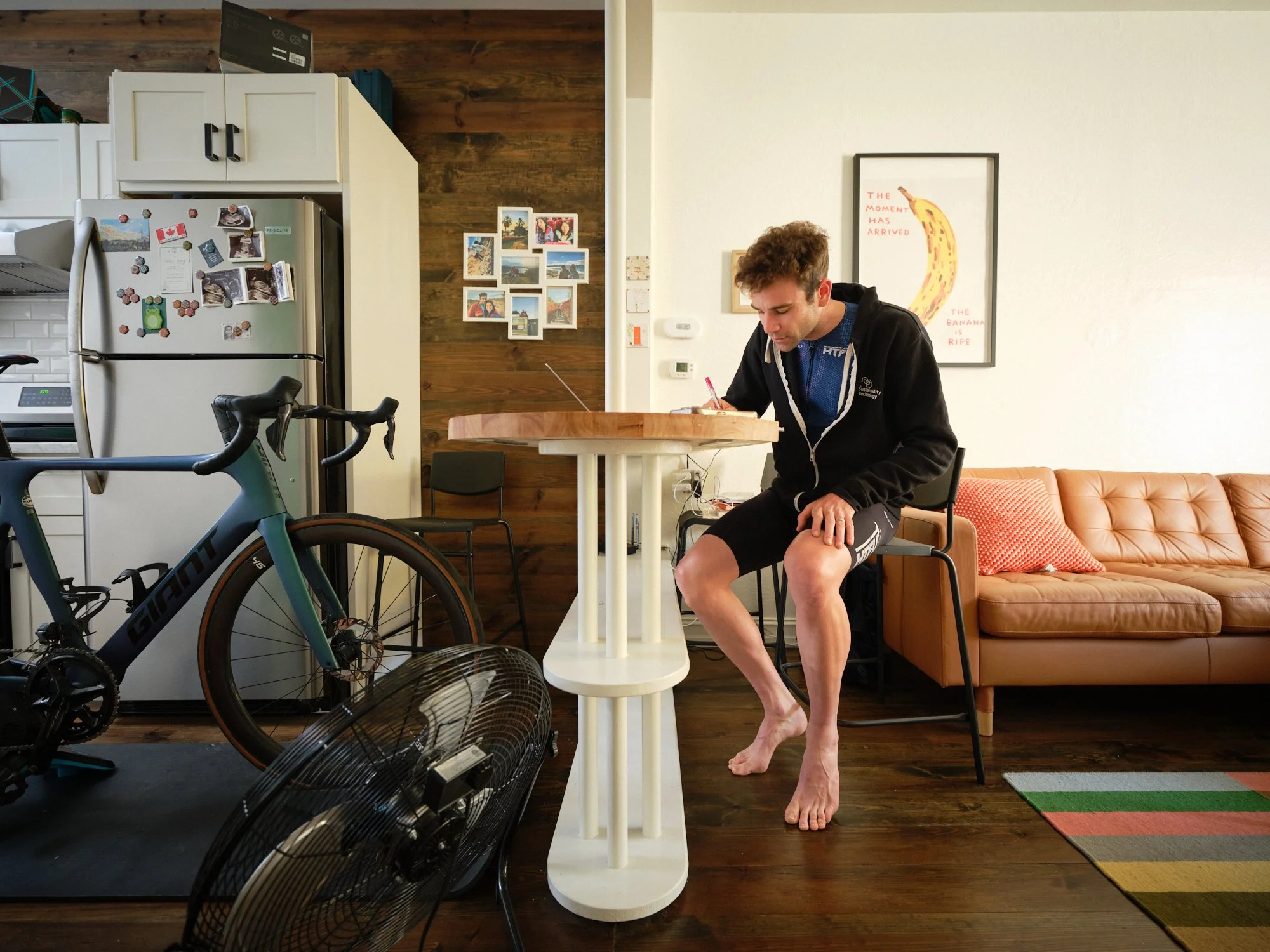
Alec Hewitt
I’m living in San Francisco with my wife and our six-month-old daughter. I’m originally from the UK. I’ve been in San Francisco now… almost three years. Yeah, three years. Before this I lived in Toronto for five years and before that Sydney. I like cycling, which I guess is what we’re going to be talking about.
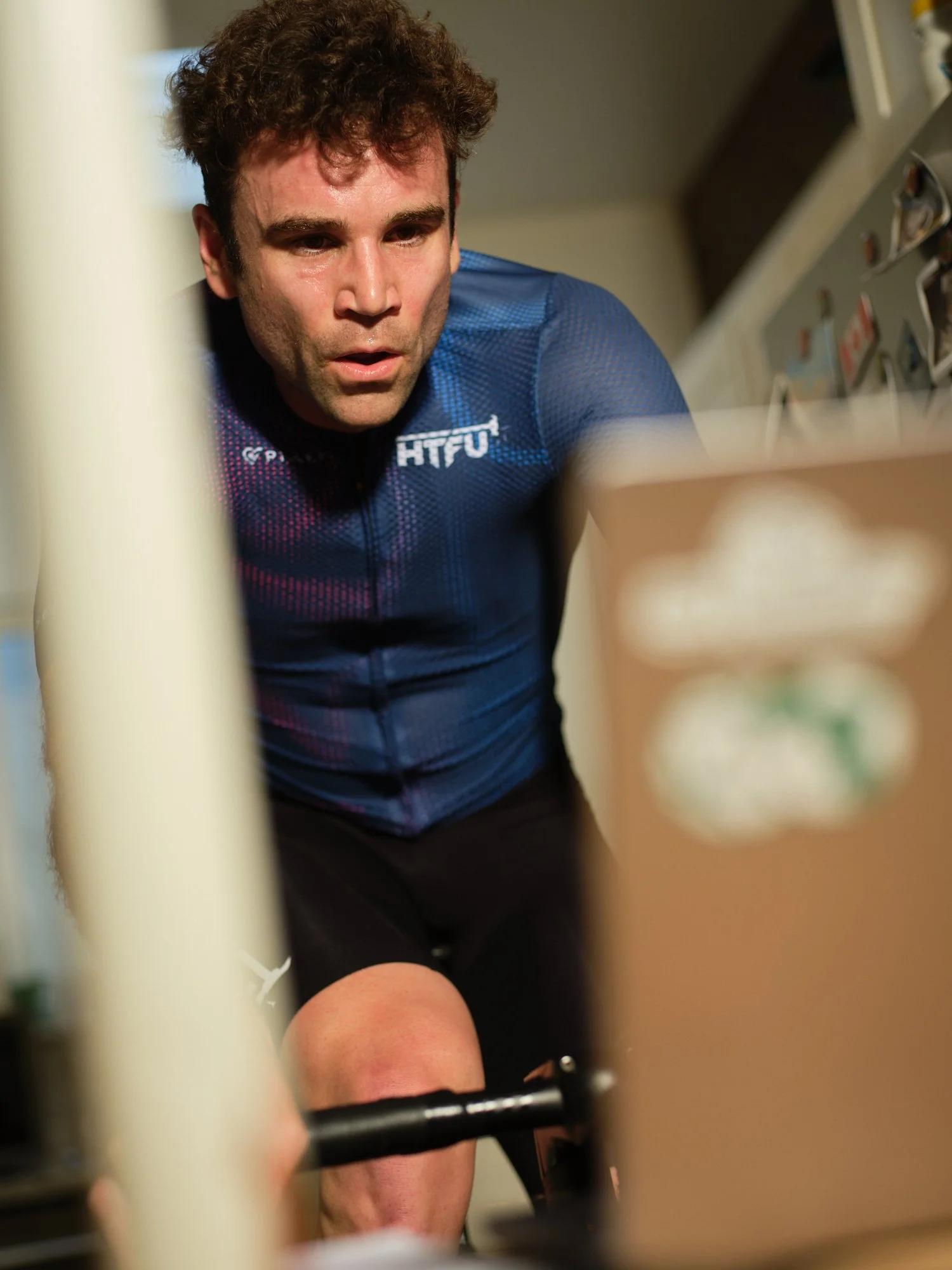
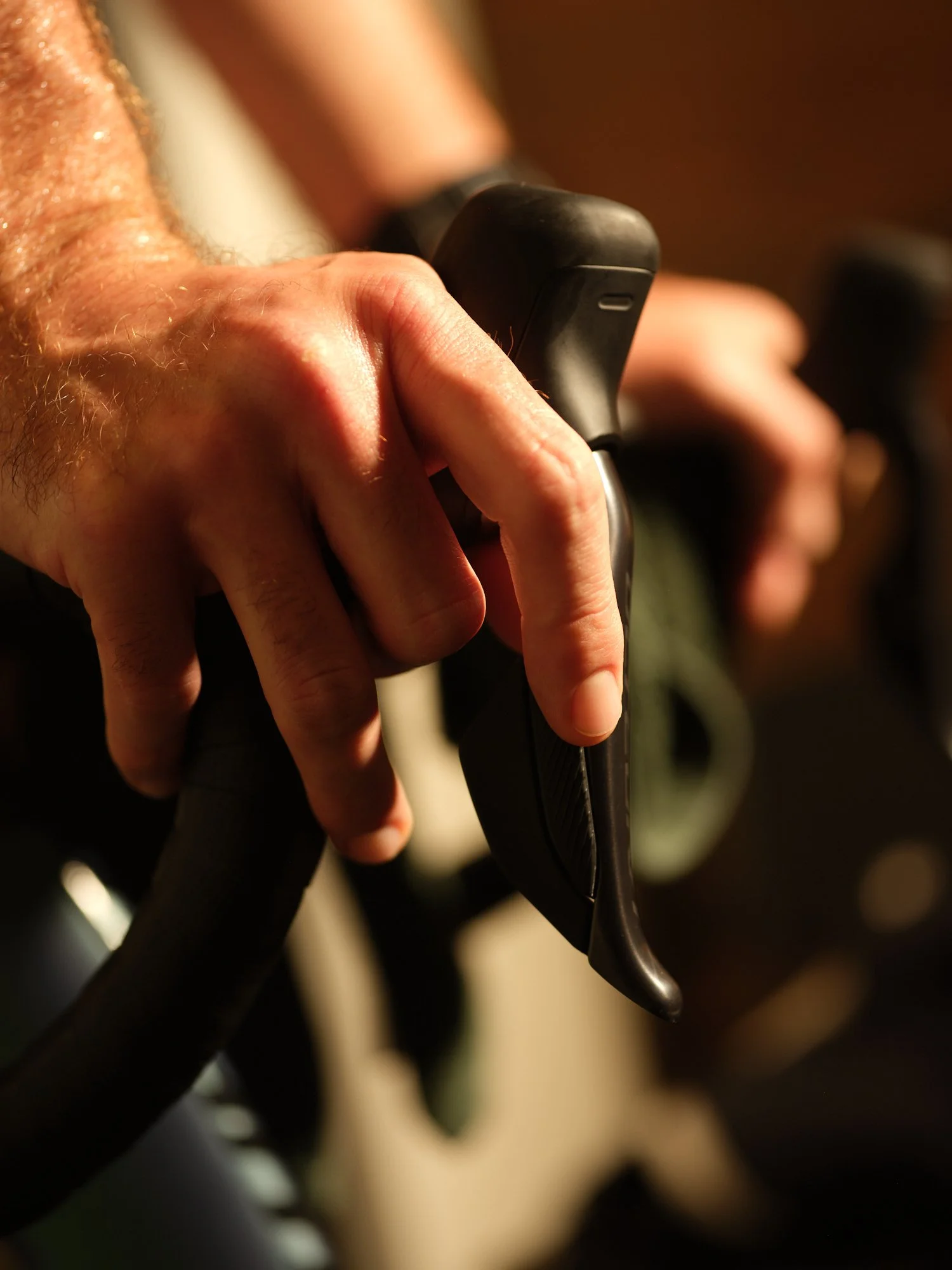
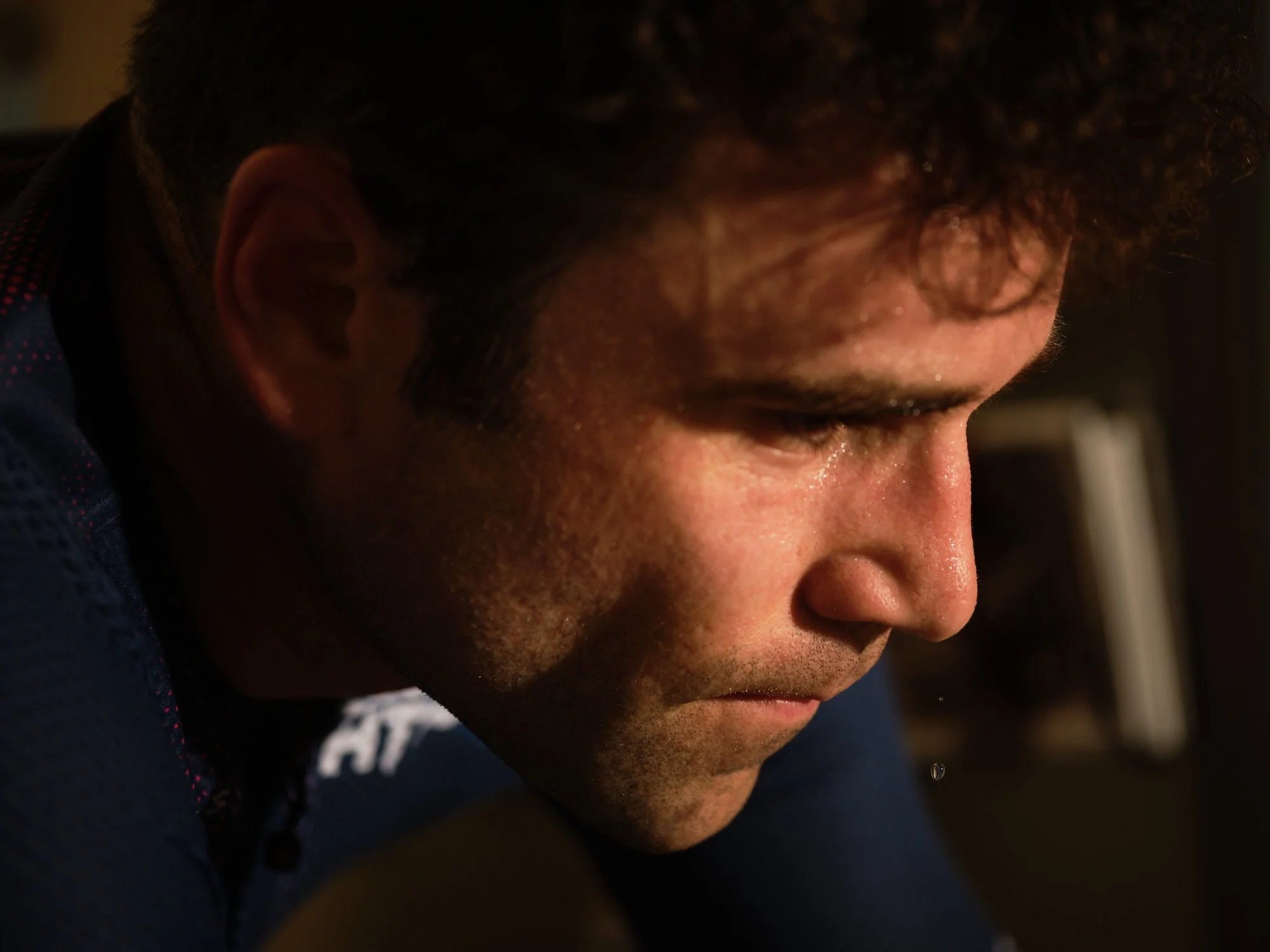
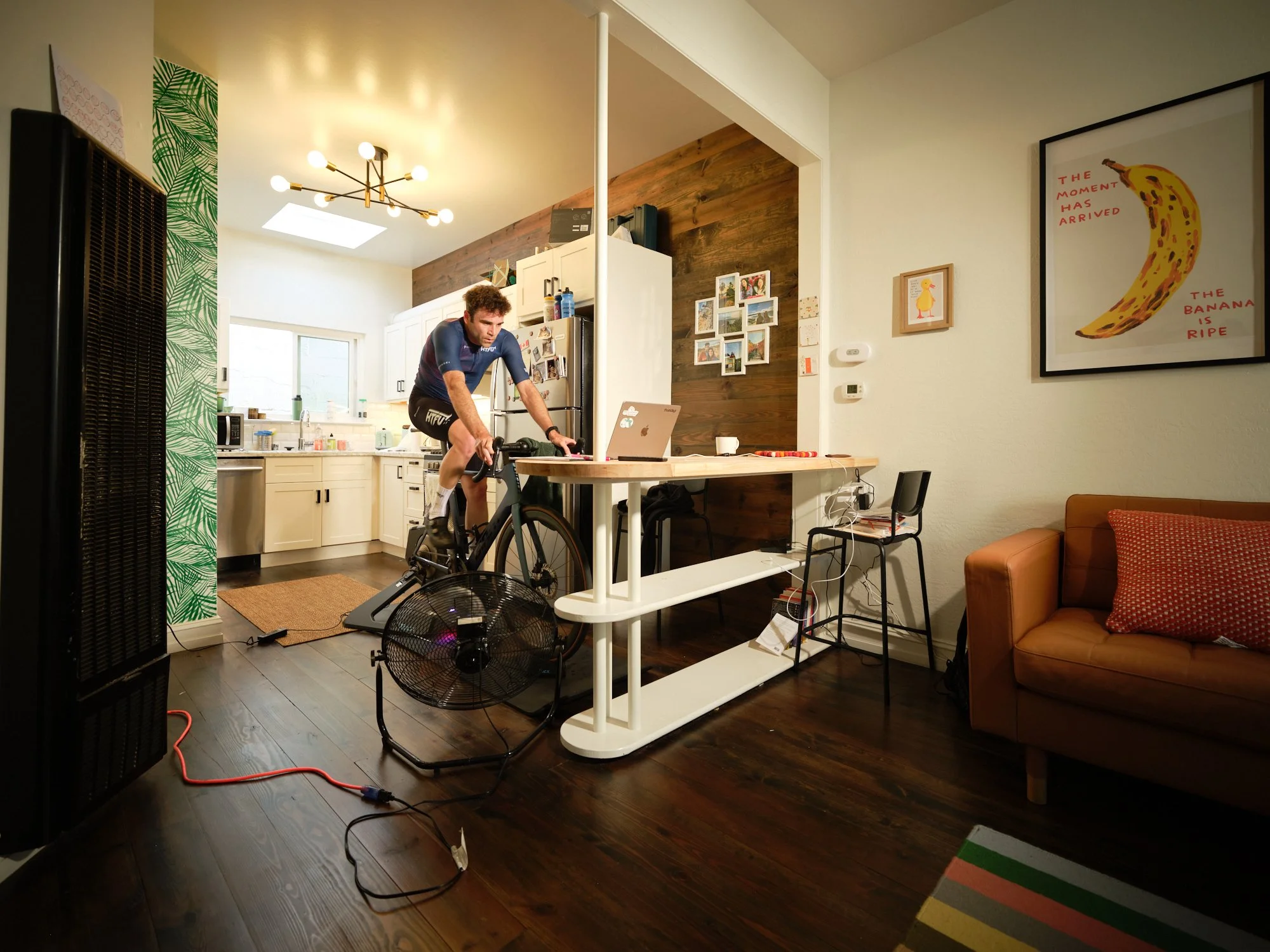
(Interviewed at Flywheel Coffee, downtown San Francisco, on February 24, 2026)
Ian: When did you first start riding road bikes?
Alec: The first road bike that I had— I was living in Paris at the time and I needed to get back to London. I had this crazy idea that I could just ride back in 24 hours. From Paris to London. On a bike.
I just had a regular commuter mountain bike I rode everywhere, but I felt like this required a better bike. So I searched Craigslist and found this guy selling a road bike. I went to see it and bought it on the spot.
It turned out the bike was way too small for me. I think it was a 51 frame and now I ride a 58. I should have taken a clue—the guy was way shorter than me when I turned up. But he was like, “Yeah, no, that’s good for you. Just raise the seat and you’ll be fine.” And I was like, “Okay.”
What kind of bike was it? Do you remember?
It was a Decathlon aluminum-frame road bike. I didn’t know the model. You know Decathlon—they’re like a sporting goods store. Kind of like the French REI.
It had Campagnolo gears on it. I don’t know if the guy upgraded it or it just always had it. I remember that specifically because a few years later my brother borrowed it. It was his first time on a road bike with clipless pedals. He went down the road and within like 10 minutes, he tried to stop and fell over and crushed the shifter.
So he had to buy a new one, and he was like, “Oh my god, these things are so expensive!” Anyway—so I bought that bike and did this trip. I set off from Paris pretty early, like 3 or 4 in the morning, and planned to get to Diepe (the ferry port), then over to Newhaven in the UK. A friend met me in Newhaven, and then we rode from there to London through the night.
Wow. So was it successful? 24 hours?
Not exactly. I was trying to go from Paris to a place called Harpenden—just North of London. I think I arrived in like 26 hours. So officially I got to London in 24 hours but not to Harpenden. So I didn’t quite make the goal.
Honestly, I would’ve made it if I set off later. I spent a long time waiting for the ferry when I got to the port—like a few hours. If I’d just started later, the clock would’ve worked out, but yeah. It was still super fun.
I’d only bought the bike like three weeks before the trip, so I wasn’t used to it. I remember going downhill and it felt like this flimsy thing when you go that fast—I was like, “Wow, this is so fun.”
Also I had to take a bunch of stuff with me. I found a pannier rack, but one reason the bike didn’t fit was the frame size. A friend helped me do some “engineering” and we strapped luggage to the frame— with some wood. So the whole thing riding back was… pretty janky. People were definitely looking at me when I was riding.
That’s amazing. Okay—when did you get serious about road biking? Whatever “serious” means to you.
It’s hard to say. It gradually got more and more serious. Every year it felt like one step more serious than the year before. Maybe this year is an exception.
When I was in Sydney, I joined a cycling club—that’s when I started getting more serious. They had rides almost every day. I’d wake up at like 5 a.m. to do it—maybe three rides a week.
That’s a lot. What year was that?
That would’ve been 2017.
And I found a good group of people to ride with. But we weren’t super serious—no races or anything. More like one or two rides in the week and then Saturday.
What year was the Paris-to-London ride?
I think 2011 or 2012? I can look it up, but around then. Like 10+ years ago.
So you’ve been at it for 10–15 years.
Yeah, though you wouldn’t think it from my results. But yeah. And then it was a gradual “a bit more each year.”
When I moved to Toronto, I found a group that was even more serious than the Sydney group. Also—sorry—at one point I stopped cycling for at least a year. I took a year off, joined a running club, and got into running because I could do it anywhere.
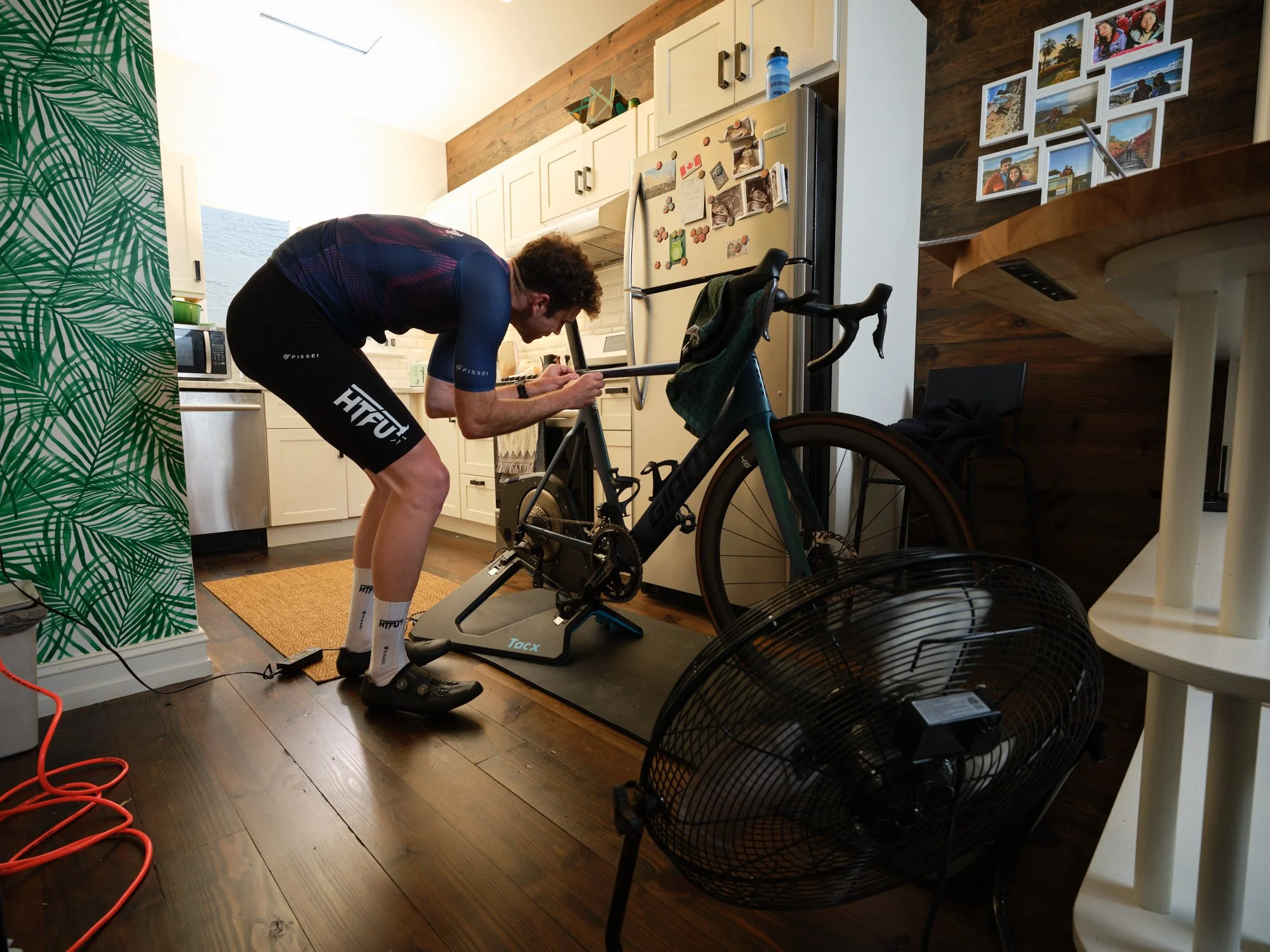
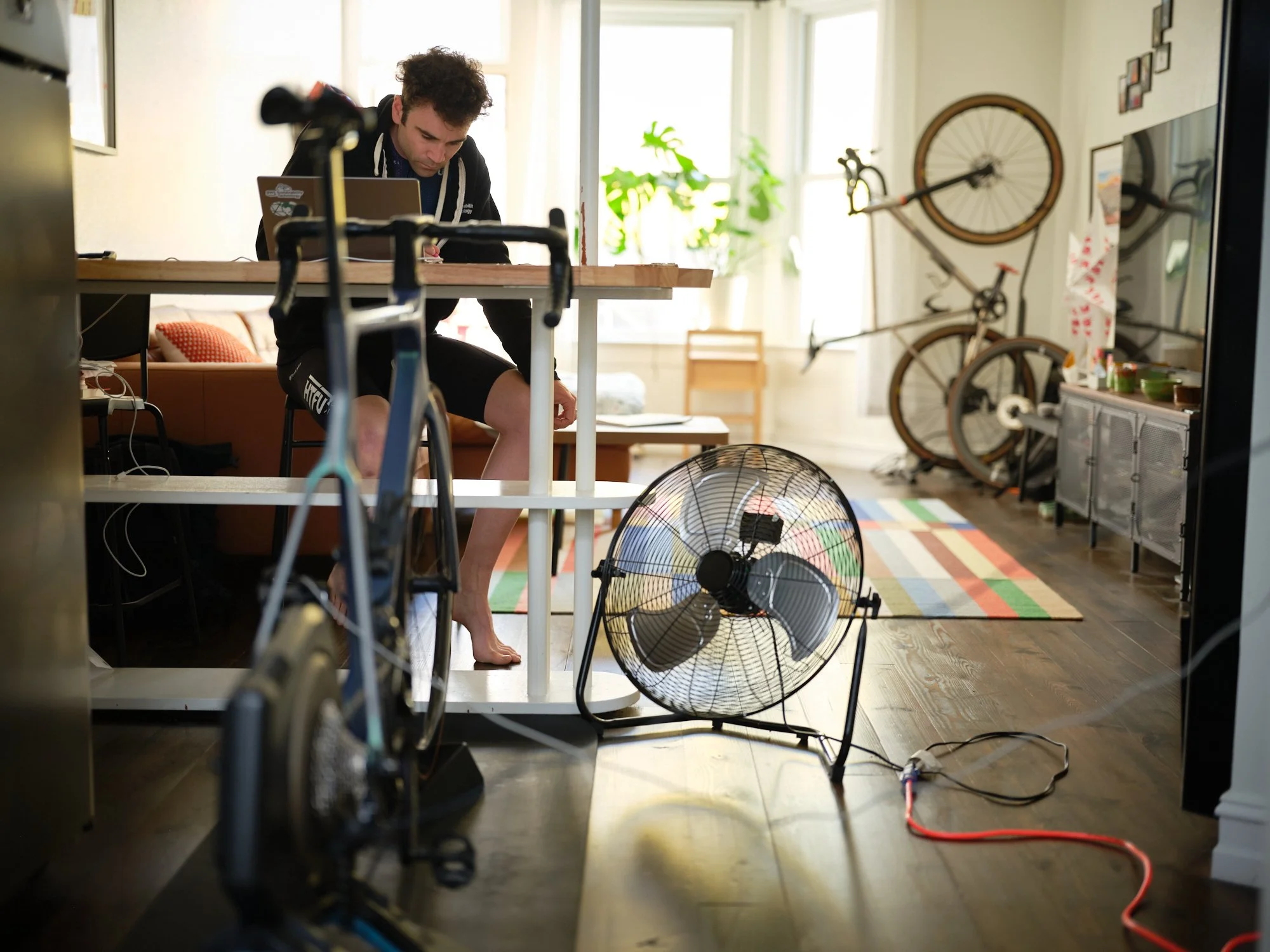
Then one of my friends I trained with moved away, and I was like, “Okay, maybe I’ll shift back to cycling.” I got my bike again, and there I took training up another level. I got into indoor training because in Toronto you can’t really ride outside in the winter. So I had a structured training plan, doing indoor sessions.
Also right before COVID, my brother and I signed up for Race Across America. We got into it and everything, and I was training hard for it. Then COVID happened and it got canceled, so we never did it. But that phase definitely pushed me.
What does “serious” mean to you?
It’s like you prioritize it over other things. For example, there’s indoor racing at 4:30 p.m. on a Tuesday— I’ll decline work meetings because I’m doing that. If I wasn’t serious, I wouldn’t do that.
But when I reflect, I still don’t feel serious enough. There’s always someone more serious than you, so you compare yourself and think, “They take it way more seriously.”
Also: I enjoy the community. Not only the riding, but the people. The community I’m in is relatively serious—like I can’t just show up Saturday morning after not riding for six months. I won’t be able to keep up. So I have to train enough during the week to at least hang on.
I know what you mean. If you’re not serious enough, it’s not fun.
Yeah, because it hurts too much. It’s beyond your ability, so you need a baseline to make it fun.
Also, “serious” includes silly things—like cycling things. For the longest time I was a holdout on shaving my legs. But then I moved to San Francisco and started doing races, and you start doing it. Small things like that pull you into the culture.
How does your wife feel about shaving?
She hates it.
My wife hates it too. Really hates it.
But you have to do it.
You have to. Okay, in what ways does road biking impact your life?
It’s mostly a big positive. After I do a ride in the morning, the rest of the day I feel great. On mornings I don’t ride, it’s more of a struggle.
There are negative sides too. If you’re doing it seriously, it’s a huge time commitment — especially weekend rides. Six hours, and a big chunk of the weekend is gone. We have a baby now, and I think about how many weekends I’m away for long rides. I’m trying to scale it back. Recently I’ve tried doing more intense rides on weekdays and shorter rides on weekends. But it’s hard.
Cost is another negative. It’s an expensive sport. Compared to running—where you just need shoes—cycling is constant parts, repairs, new tires. Every year there’s some big expense.
I stopped riding for a little bit, got a motorcycle, and I was shocked how cheap the repairs were compared to bicycles.
Oh my god—totally.
You take a motorcycle in and they’re like, “You need a front tire,” and it’s like $40. On a nice bicycle you’re looking at $150 plus.
Also bike mechanics can feel overwhelmed—like you’re giving them business but also… it feels like they’re underpaid for how complex it is.
Net-net: do you feel like biking is positive or negative?
Positive. If it was negative, I’d stop. I’m not a pro—I’m not paid to do it. If anything, it takes time away from my job where I make money. Nothing forces me to do it.
Do you use training software or an app? Track your efforts?
Strava, obviously. And TrainerRoad—I used it a lot in Toronto for training plans and tracking TSS.
Do you feel like that affects your desire to ride more or less, or keeps it in check? How does it affect your motivation?
It’s good. Recently I started using it again. The first year I was here, I just rode and that felt like enough—every day there’s a different ride in San Francisco.
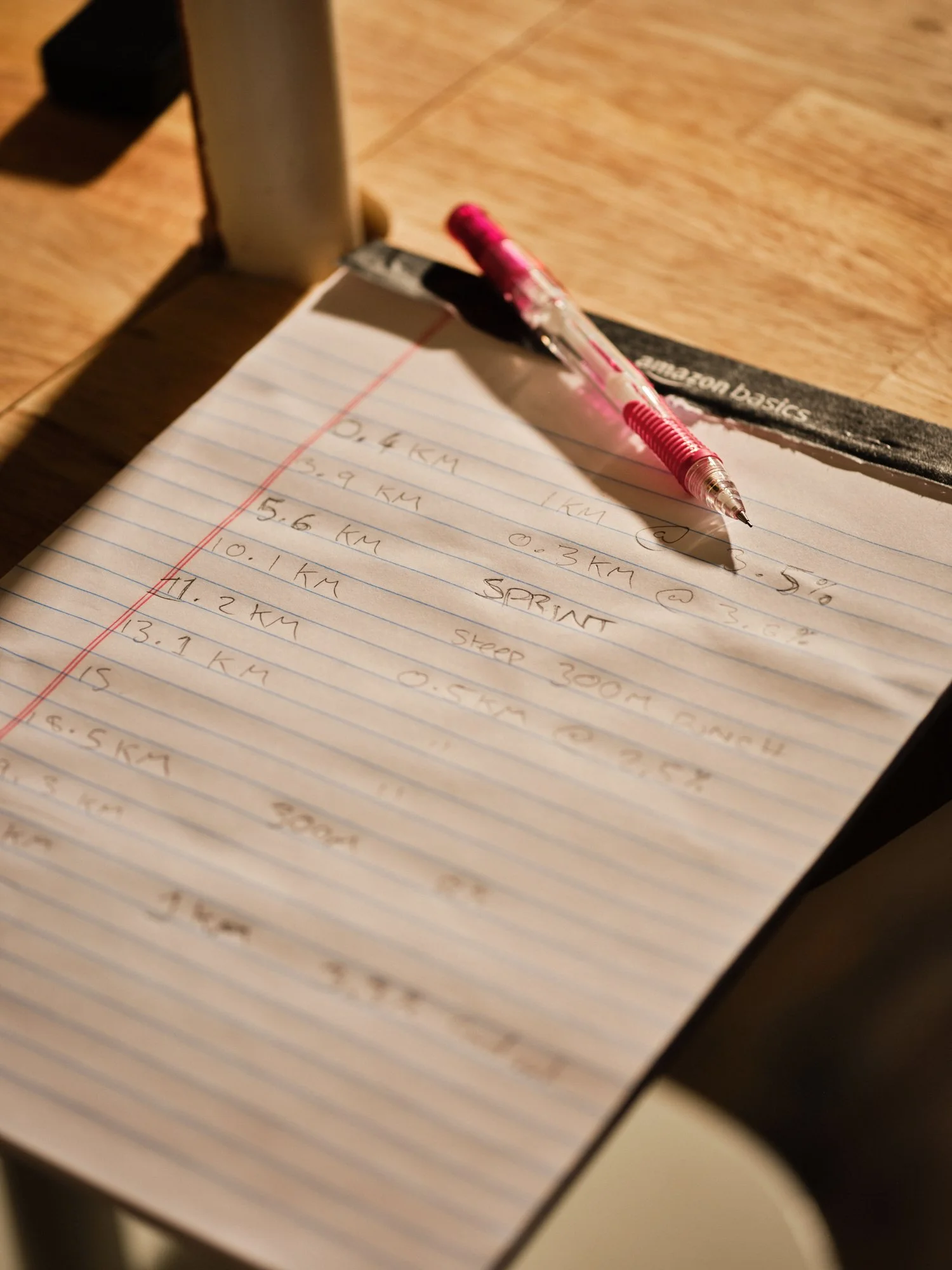
But TrainerRoad is nice because it gives you a 12-week program and you can see what you need to maintain or increase fitness. You can set weekly hours—like eight hours—and it structures it. So you don’t stress about what to do.
Sometimes I feel like it’s not enough. Like this morning it had me scheduled for a two-hour easy ride, and I was like, “That’s a waste of time.” So I changed it to intervals—3 x 30 minutes at 300 watts. It warned me: “This is not recommended. Not a good idea.” And sure enough, I was cooked halfway through the second interval like, “Oh my god, this is too much.” The computer was right.
So it’s that constant tension of wanting to prove it wrong versus just accepting that it’s right.
Do you have any goals for yourself regarding road biking?
Not many long-term goals. Short term: do some races this year—like Berkeley Hills (or similar). That’s what I’d train for. Long term: just keep getting slightly stronger. Maybe increase FTP a bit.
It would be nice to do a cycling event with my wife someday. But I don’t have aspirations to go pro at 55 or something crazy. I’m probably near my peak for the next few years.
What are some things you absolutely love about cycling?
The community. Everyone I know in San Francisco is through cycling—all my friends. If I wasn’t cycling, I probably wouldn’t know anyone here.
San Francisco has a huge community too—rides for every personality and skill level. Easy coffee rides or really hard rides. Toronto was similar. All my friends there were through cycling too.
If you had no constraints on your time, how many hours a week would you ride?
Maybe 15 to 20. Not like 30. Around 20, maybe.
I don’t have a strong desire right now to do huge long randonneur “adventure” rides at the minute. When I first got into cycling I wanted those crazy adventures. Lately I’ve lost that urge and just enjoy “normal” riding. Maybe I’ll get back into it later.
Right now, how many hours a week do you ride—an average week?
Over Christmas I was off the bike for like four weeks. But since then, I’ve been doing about 8 to 10 hours.
What is something you wish a non-cyclist could experience about cycling?
Not exactly road-cycling specific, but how good it is as transport. If you commute by bike, you arrive feeling great—wind in your hair, you’re awake, you feel alive. It’s consistent—you know how long it’ll take. You’re not stuck in traffic.
I wish more people could live somewhere with good cycling infrastructure where you can ride for transportation. Like Amsterdam, where it’s part of the culture.
Have you ever taken a total break from cycling? If so, why?
Yeah. This year I took a break for a couple weeks over the holidays. I went back to the UK, didn’t bring my bike, and it rained every day. I wasn’t going to force myself to ride in that, and I knew I’d be slower when I got back—but you probably need a planned break sometimes.
And how did that feel?
A few times I really wanted to get out. I did some running and went to the gym. But I was mostly visiting family and friends, and I didn’t want to disappear for long rides.
Also my motivation is social. Here it’s easy to ride because I go out, then coffee afterward, and it’s with friends. When I’m away from that community, it’s different.
You talked about spending hours on the trainer—and if you’re not fit enough, the social rides aren’t fun.
Yeah. The social rides are fun when you bring your best cycling self. But that often requires solitary time training. It’s a weird paradox.
All right—please choose three words to describe who you are as a cyclist.
Friendly—I try to be friendly to everyone on the bike. If someone’s on the ride, I want to be inclusive.
Fast—I want to be fast. I don’t have to win races, but I don’t want to be the guy always on the back. I want to be up front doing a good pull, and then dying.
And… team player. I can’t think of a better word, but yeah—team player.
Friendly, fast, team player. Those are solid. That’s all my questions.
Oh, wow. Okay. That was quick!